Kava vs Kratom

Kava vs Kratom

Kava vs Kratom

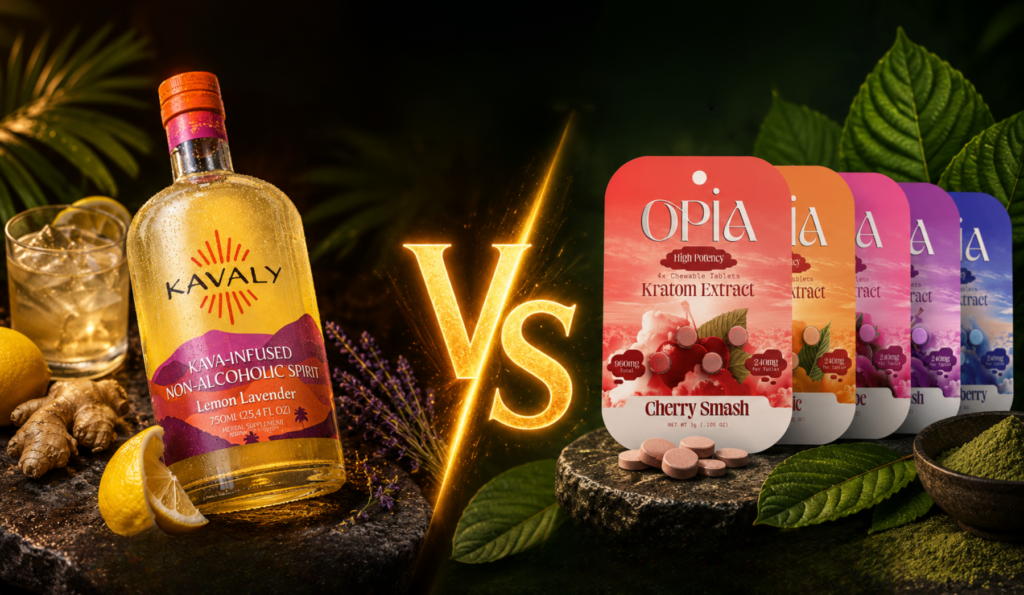
Kava vs Kratom From the wide range of natural solutions available in the wellness world, none has caught more attention than kava and kratom in recent times. The two botanicals have undergone a shift from being used regionally to being adopted all over the globe. In case you are trying out other means of managing yourself in various aspects, you have definitely come across this common botanicals comparison.

Even though they coexist on similar shelves at the wellness stores, the two are entirely different botanical plants. It becomes important to comprehend kava vs kratom comparison before purchasing any of them.

Understanding Kava and Kratom as Popular Botanical Products

To appreciate these plants, it helps to understand where they come from. Kava comes from Piper methysticum, a shrub native to the tropical islands of the South Pacific. For centuries, Pacific Island communities have harvested its roots to prepare a ceremonial, earthy beverage designed to foster community bonding, relaxation, and peace.

Kratom, scientifically known as Mitragyna speciosa, belongs to a completely different plant lineage, the coffee family (Rubiaceae). It is a tropical evergreen tree native to the dense rainforests of Southeast Asia, including Thailand, Malaysia, and Indonesia. Traditionally, workers in these regions chewed the raw leaves to combat physical fatigue and sustain energy throughout the long workday.

Key Characteristics That Make Kava and Kratom Unique

The most important distinction in a kava and kratom comparison lies in their active chemical profiles and how they interact with the human body.

Kava Chemistry: The ingredients responsible for the action of kava are known as kavalactones. This is because the compounds are mainly used for acting upon the central nervous system in creating a state of tranquility while maintaining cognitive functions of the user. Kava is widely loved for its ability to produce an extremely mellow effect in individuals.

Kratom Chemistry : Kratom works through a combination of active alkaloids; these include mitragynine and 7-hydroxymitragynine. The compounds work in a two-way interaction with brain receptors depending on the amount of the dose. In low doses, kratom acts in a similar way to caffeine, thus giving energy and increased focus abilities. With increased doses, it provides a deeply soothing effect.

Comparing Kava and Kratom Product Formats

The contemporary wellness landscape has brought about changes in the consumption patterns of these two groups of herbs. These groups provide both conventional and very inventive forms to cater to diverse consumer needs.

In choosing kava products, the conventional form of kava powders is always available for purchase, but most of today’s users will automatically reach out for convenience forms such as kava drinks, fast acting kava shots, and alcohol-free premium ritual kava bottles as social spirit alternatives.

When looking for kratom products, the majority of people opt for precision and convenience as well. Why Consumers Explore Both Kava and Kratom

This is mainly due to the fact that a majority of people have embraced holistic health and the consumption of herbs and plants. Many grown-ups choose to take kava because they want to relax after long days at work or socialize in a manner that does not involve alcohol.

In stark contrast to that, people choose to take kratom to get certain functionalities depending on their needs. This can be for a clean surge of energy to work without succumbing to the effects of caffeine or natural pain relief.

Choosing the Right Botanical Product for Your Preferences

Your final decision must revolve around your needs within your regimen. When your primary intention is to relax, wind down, and relieve yourself of all forms of stress during the evening hours, then kava will most probably be the ideal herb for you. Otherwise, if your requirement involves concentration and energy boost, among others, you can consider taking kratom. However, no matter which one you take, you must make sure that you get it only from a credible vendor who practices third-party testing.

Leave a Comment

Your email address will not be published. Required fields are marked *