Why People Compare Kava and Alcohol

Kava vs Alcohol

Kava vs Alcohol

Kava vs Alcohol For years, the standard ritual for “taking the edge off” after a long day involved a glass of wine, a cold beer, or a stiff cocktail. But as more people prioritize wellness without sacrificing their social lives, they’re seeking alternatives to traditional happy hour. Enter Kava: a natural, ancient remedy from the South Pacific islands that offers relaxation without the hangover. Here at Burman’s Health Shop, we have noticed a significant spike in inquiries about the pros and cons of choosing kava over alcohol.

Why People Compare Kava and Alcohol

On the surface, kava and alcohol serve a similar purpose: they are social lubricants and relaxation aids. Both are used to ease social anxiety, dampen the noise of a stressful workday, and help the body physically unwind.

The usual point of comparing these drugs starts from their psychological effect on an individual. They both stimulate the central nervous system, producing feelings of relaxation. Nevertheless, alcohol is a fermentation-derived substance that affects the entire nervous system, whereas kava is an herbal drink that affects specific sites involved in stress responses and does not affect brain cognitive functions. The reason why people compare these two drugs is the “middle point” that they search for.

How Kava and Alcohol Affect Your Mood

When we talk about kava vs alcohol relaxation, we are talking about two very different chemical processes.

The presence of alcohol causes an increased activity of GABA, a neurotransmitter which acts as a suppressant in the brain. As a result, a person experiences a relaxed sensation; however, in addition to influencing GABA, alcohol impacts other neurotransmitters such as dopamine and serotonin. Such interference results in mood swings and bad decisions and, finally, in a “crash” during which a person becomes more anxious the following day.

On the other hand, kava has its active components named kavalactones. Similar to alcohol, kavalactones interact with GABA receptors; yet the process is more focused on producing the effect of calm alertness.

How long does kava effects last?

On average, the relaxing effects of a single glass of kava or kava shot last anywhere from two to three hours, although the feeling of relaxation can persist for up to six hours. While alcohol is known to interrupt sleep patterns and result in feelings of exhaustion, kava is commonly regarded to provide more restful sleep.

Risks and Safety Considerations

No substance is without its “fine print,” and a fair kava vs alcohol comparison must look at safety.

Alcohol Risks: Long-term alcohol use is linked to liver disease, addiction, increased cancer risk, and cardiovascular issues. In the short term, it carries the risk of poisoning and impaired driving.

Kava Consumption risks: Kava is a relatively safe drug to consume. There were claims regarding  Burman’s sells only noble Kava – an ultimate standard in terms of kava safety.

Why Some People Choose Kava Over Alcohol

The shift toward kava is part of the “sober-curious” movement. People are choosing kava because:

1. No Calories: While a couple of craft beers or sugary cocktails can add up to 500+ calories, kava is naturally low-calorie.

2. Productive Relaxation: You can enjoy a kava shot and still read a book, finish a creative project, or have a meaningful conversation with your partner.

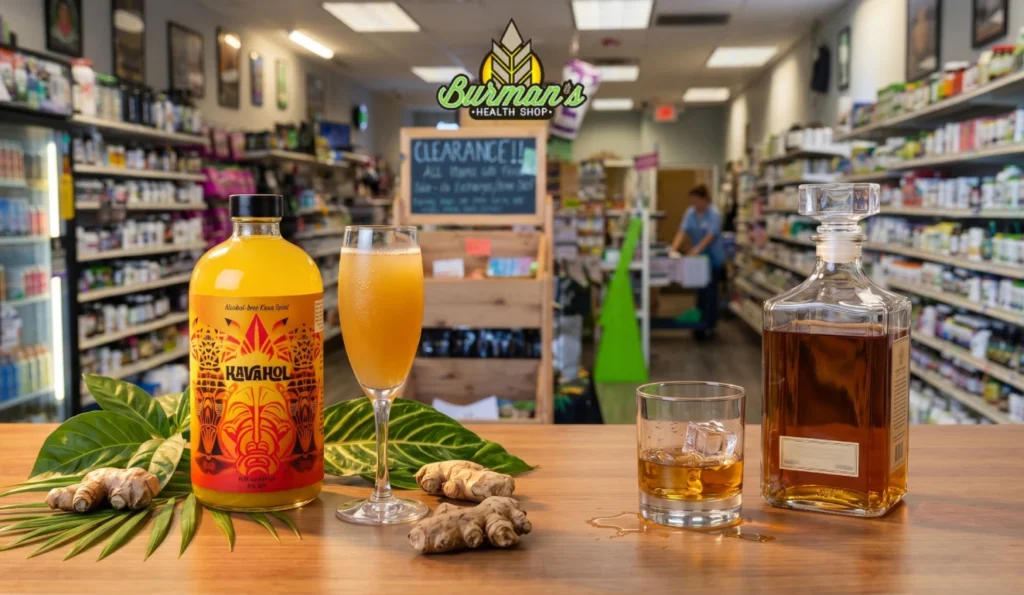
3. The Ritual: With products like Kavahol or non-alcoholic spirits, you can still enjoy the ritual of a “nightcap” or a social drink without the negative health impacts.

4. The “Kava Glow”: Many users report feeling a sense of peace the morning after using kava, a sharp contrast to the “hangxiety” of a night out drinking.

Leave a Comment

Your email address will not be published. Required fields are marked *